
Strategy lessons from the greatest CEO in tech history… and it's not Jobs
The recent death of Andy Grove passed unremarked in the Australian press. Grove has been called the greatest CEO in tech history: he mentored a young Steve Jobs. A former Intel CEO, Grove was responsible for the transformation of Intel from a ‘memory company’ to a ‘microprocessor company’.

Strategy's fundamentals ... better practice, not neater theory
Henry Mintzberg was right when he declared ‘we need better practice, not neater theories’. Three theoretical paradigms provide an overarching framework for strategic thinking. And these were part of the economics discourse 50 years ago. But any one of these by itself is insufficient.
The cost of presumptions - international case studies
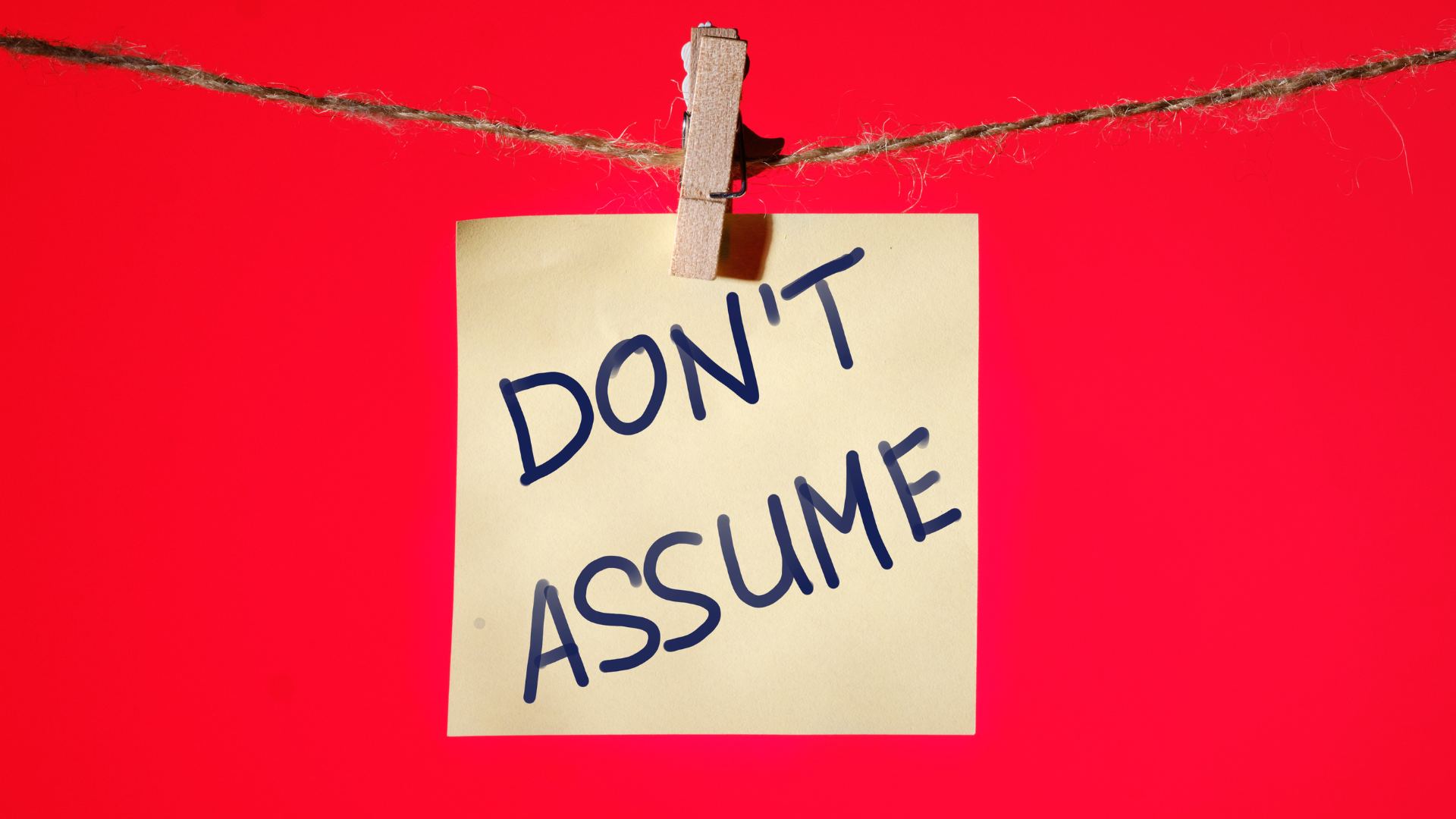
At their most dangerous presumptions are assumptions that are accepted as a ‘social fact’. This makes them more dangerous than assumptions. Assumptions should be explicitly identified and can be tested. But we remain blind to our own presumptions.

Breakout strategy: what if anything were possible?
At its core, strategy is design. And great design starts with the question: what if anything was possible? If we start with constraints, we get designs for tomorrow that merely tweak today.

Avoiding grey rhinos... strategic renewal and the status quo trap
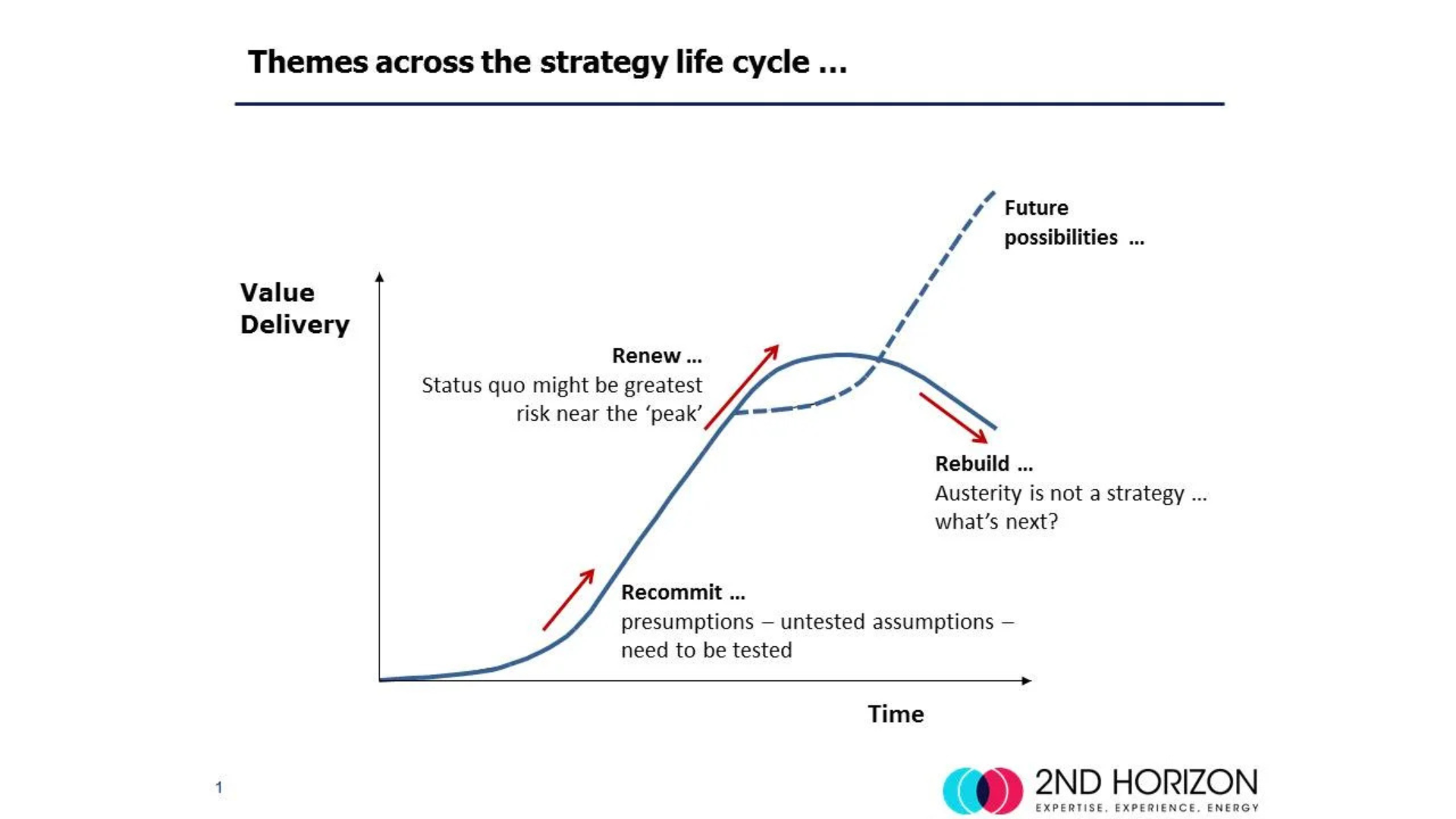
As organisations shake off the New Year’s cobwebs, many begin to think about ‘strategy’. Perhaps begin by asking: where are we on the strategy life cycle curve? Different phases of the strategy life cycle present different challenges.

Looking back, looking forward
2015 will go down as the year when I really started to blog, with 36 blogs. The dominant themes reflect my roots: leadership, strategy and business models. Based on reader responses, the three favourite posts were…
Austerity is not a strategy
Three clients, three strategy workshops, 8 days: intense. Each client is at a different stage of the strategy life cycle. And each workshop highlighted a theme which reflected where that client sits on the strategy life cycle.

The profound responsibility of leadership
The most creative conversations of our professional lives engage both our emotional and analytic selves. These conversations are the source of inspiration and sense-making that leave you buzzing hours later; that wake you in the middle of the night; that create new insights through connecting previously disconnected ideas.
The more things change... strategic innovation
I am often struck by how today’s 'insights' reflect the writing of past decades. Here are a few recurring themes on strategic innovation. They are important levers in the pursuit of strategic innovation.

Leadership lessons from the world of Australian politics
Leadership and strategy are inextricably linked. One without the other is like fertiliser without water: wasted. The reader could be forgiven for raising a quizzical eye at the suggestion there is anything to learn about leadership from recent years of Australian politics.
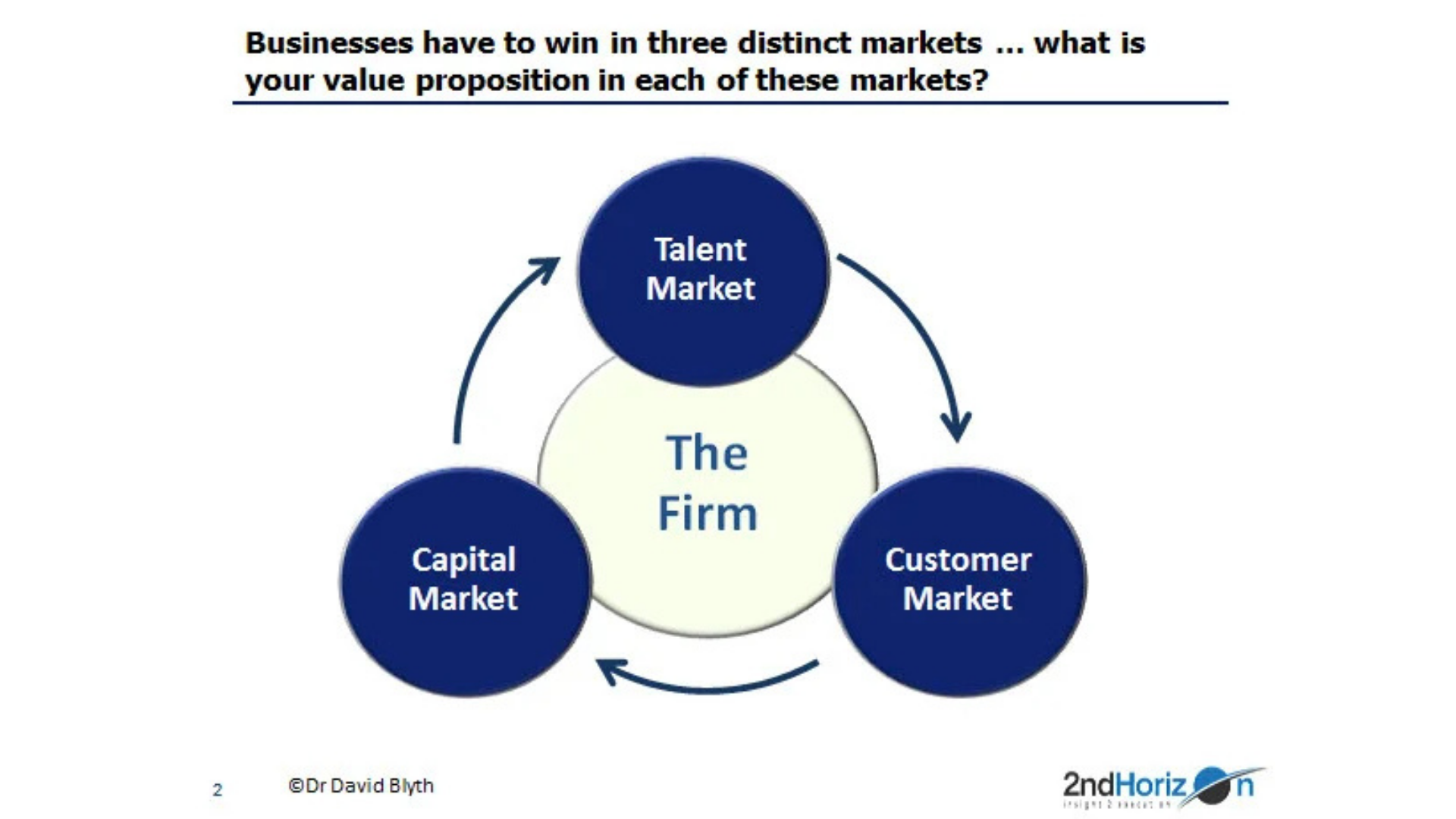
Purpose is at the heart of strategy... but it's complicated!
Why does your organisation exist? Because if you can’t articulate your purpose, then I’m not sure how you determine your strategy. That might seem a simple question, and yet if you asked your executive team, I wonder how many different answers you would get?

Opening Minds - Lessons from Cirque du Soleil
A client briefing me recently ahead of a strategy forum cautioned that they were a tough audience. Exposed to an array of corporate leadership development programs over the years, with a lot of capability in their respective fields, the challenge was to fully engage them in the search for fresh possibilities.
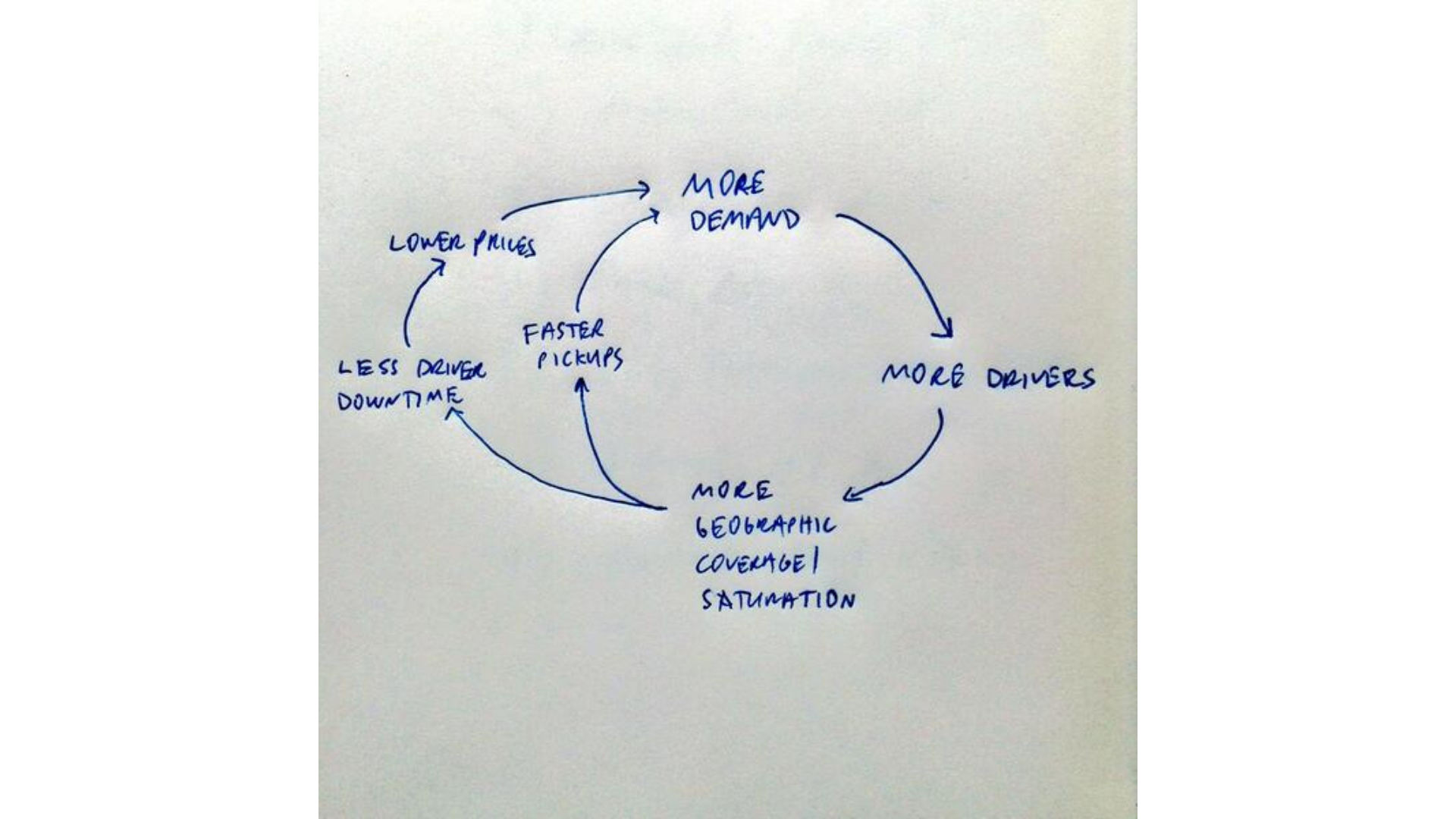
The Business Model Test - the narrative and the numbers
Fifteen years ago, Joan Magretta (HBR) observed that all business models must satisfy two tests: the narrative – does the story make sense – and the numbers – does the P&L stack up? This remains the standard today.

The rule of three and four
Scanning the newspapers recently, I noticed that the revenues of our three largest telecoms players – Telstra, Optus and Virgin – were respectively $16.4B, $9.4B and $5.3B. Why did that capture my interest? It looked like it might satisfy BCG’s rule of ‘three and four’.
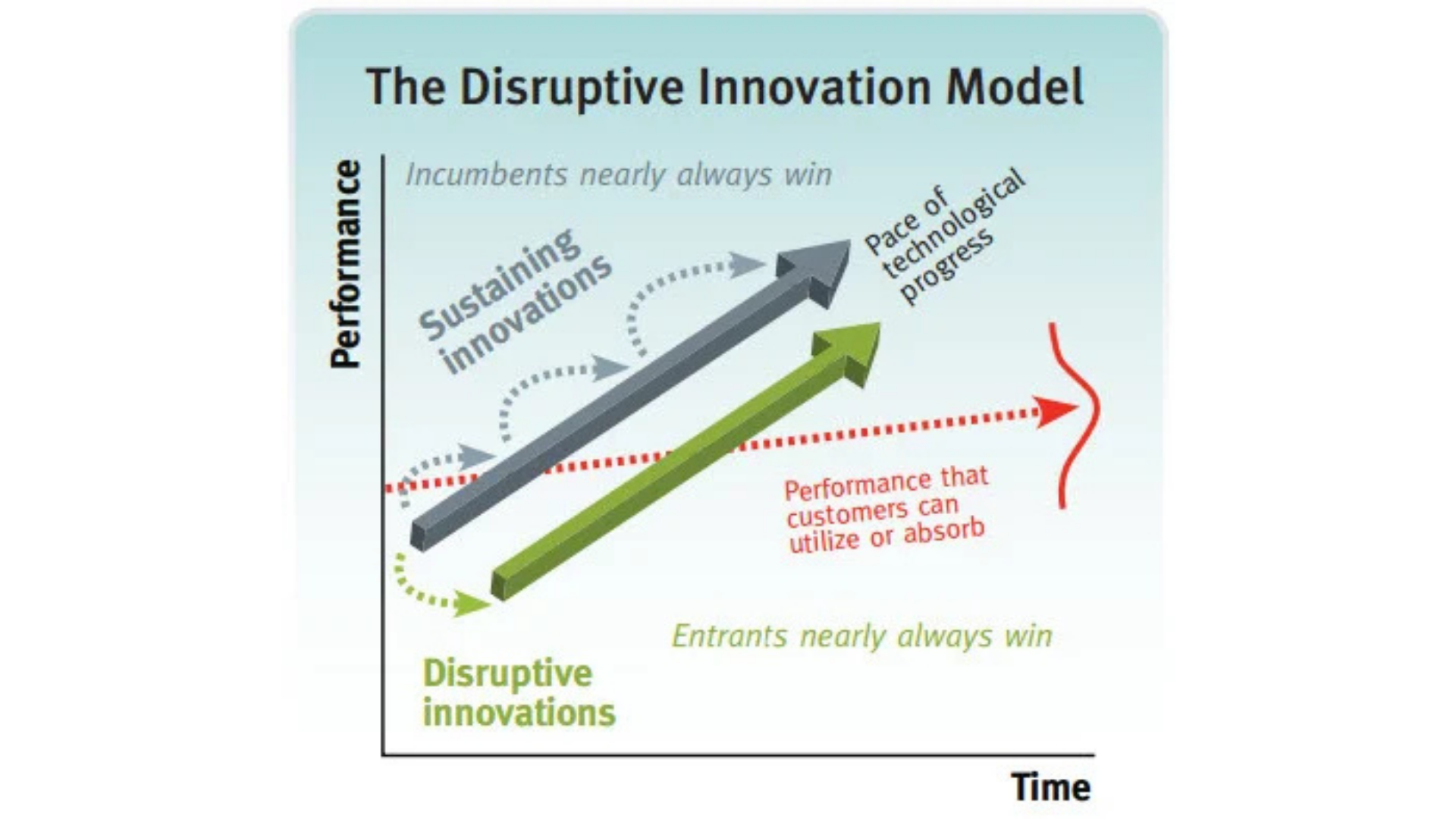
Can you see the 'Disruptive Edge' from where you sit?
‘Step away from the edge’ might be good advice for the young, but it could be fatal advice for businesses. Economics has long held that 'things are driven by what happens at the margin, not at the core'. This is a central principle in Clayton Christensen’s theory of disruptive innovation.

Leadership lessons from Dockers' coach Ross Lyons
In the early 90s, Paul Keating remarked that every parrot in the pet shop was squawking micro-economic reform. Today those same parrots would be squawking productivity. While this is a multi-dimensional challenge, leadership plays a fundamental role.
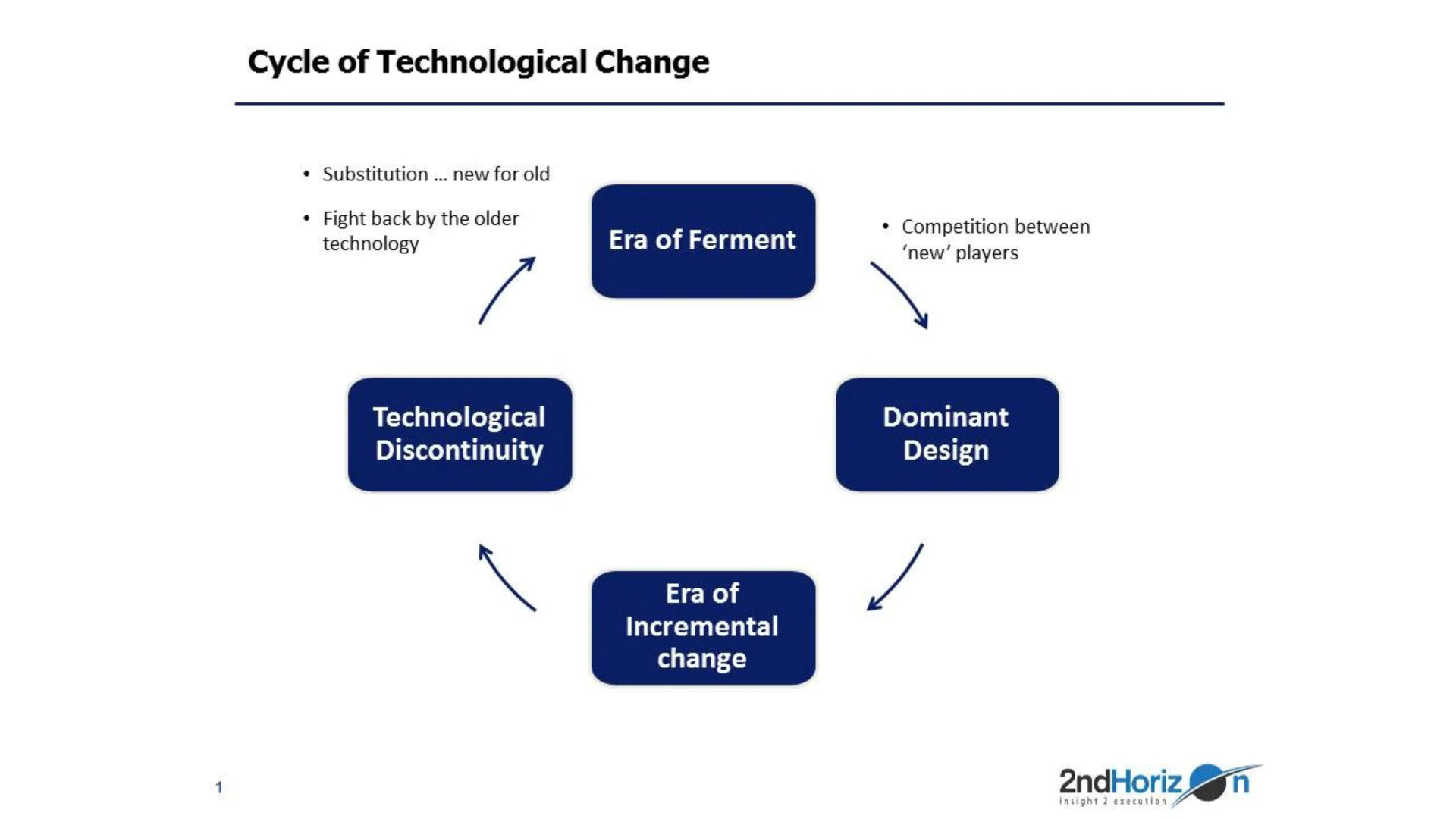
Understanding the disruption engine: what can I do?
In Zero to One, Peter Thiel decried Silicon Valley’s obsession with disruption, declaring “disruption has transmogrified itself into a self-congratulatory buzzword for anything new and trendy”. He’s not alone.
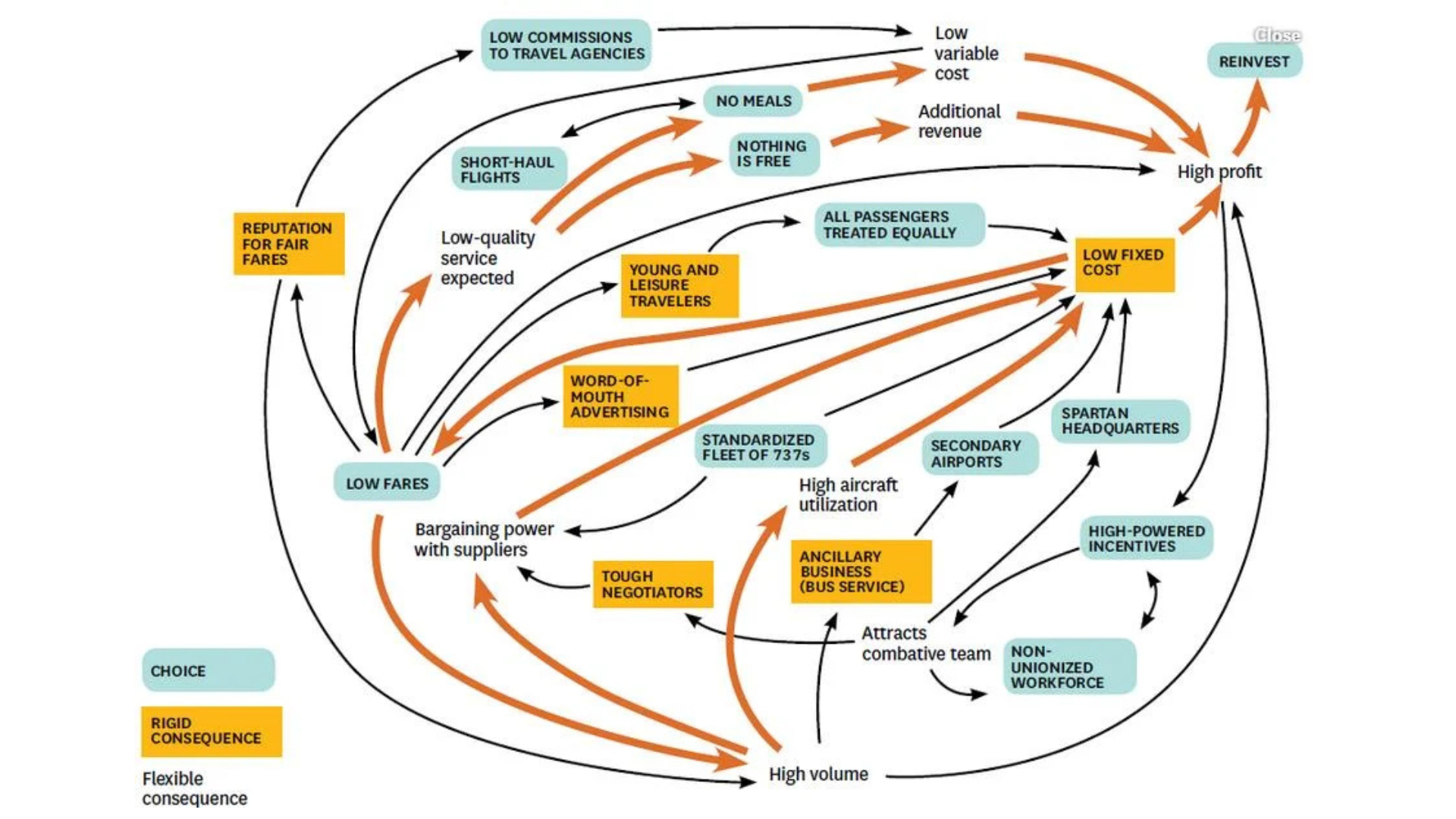
Free is not a business model
“Free is not a business model” declared the CEO of Box, a cloud based enterprise storage and collaboration company, feeling the price pressure of the competitive battle between Amazon and Google in the storage space. While his lament is self-evidently true, it does open the broader question: what is a business model?

5 tips for better strategic decision making
Imagine you are a major retailer planning to enter an ‘adjacent’ $50B retail market, and you specifically want to attack the market leader for ‘strategic’ reasons. But there’s a catch.

Twiggy's folly
Twiggy is a larger-than-life figure in Australian business and has done much that should be admired. But his latest call for governments – any government will do – to ‘do something’ sits right there alongside his call for Australia’s iron ore majors to form a cartel.